
High pressure.Human decisions.
Understand how the brain reacts under stress. Develop situational awareness, critical thinking, and resilience for moments when the consequences are high and time is short.
INSTRUCTOR-LED LEARNING / REAL INCIDENT DEBRIEF

When the stakes rise,
awareness matters.
Develop and maintain situational awareness and resiliency in high-stress, high-consequence, time-compressed environments.
Blue Ethos situational awareness training explores what the mind and body experience during high-stress periods of vulnerability. Participants identify opportunities to improve decision-making outcomes and explore strategies to enhance critical thinking and resilient problem-solving. Lessons also address coping with the aftermath of serious incidents and building resiliency to support recovery.
Understand the response.
Learn from the experience.
Instruction comes first. A situational awareness debrief then connects the concepts to a real officer-involved shooting.
How the brain
reacts under stress.
Explore the relationship between stress, situational awareness, and decision-making. Drew’s instructional portion examines what the mind and body experience when pressure rises and decisions carry serious consequences.
- Develop and maintain situational awareness
- Identify opportunities to improve decision-making outcomes
- Explore critical thinking and resilient problem-solving strategies
A real incident.
Lessons that stay with you.
Following the instructional portion, Rich and Jerad lead a situational awareness debrief of an officer-involved shooting, connecting the course concepts to the incident and its lessons learned.
- Examine situational awareness in the context of a real event
- Connect stress and decision-making concepts to the debrief
- Explore lessons from the incident and its aftermath
to your environment
The debrief draws on a law enforcement incident. The discussion brings the focus back to awareness, decisions under pressure, and resilience—themes that matter in emergency communications, corrections, energy operations, and other demanding workplaces.
Awareness. Judgment.
Resilience.
A connected view of performance before, during, and after a serious incident.
The human response.
Build an understanding of what the mind and body experience in high-stress, high-consequence situations.
Decisions under pressure.
Identify opportunities to strengthen situational awareness, critical thinking, and resilient problem-solving when time is limited.
Lessons beyond the incident.
Consider the aftermath of serious incidents, with lessons on coping, building resiliency, and supporting recovery.
Three perspectives.
A connected experience.
From instruction to incident debrief, your instructors connect the concepts with lessons from experience.

Drew Moldenhauer
Part 01 · Instruction
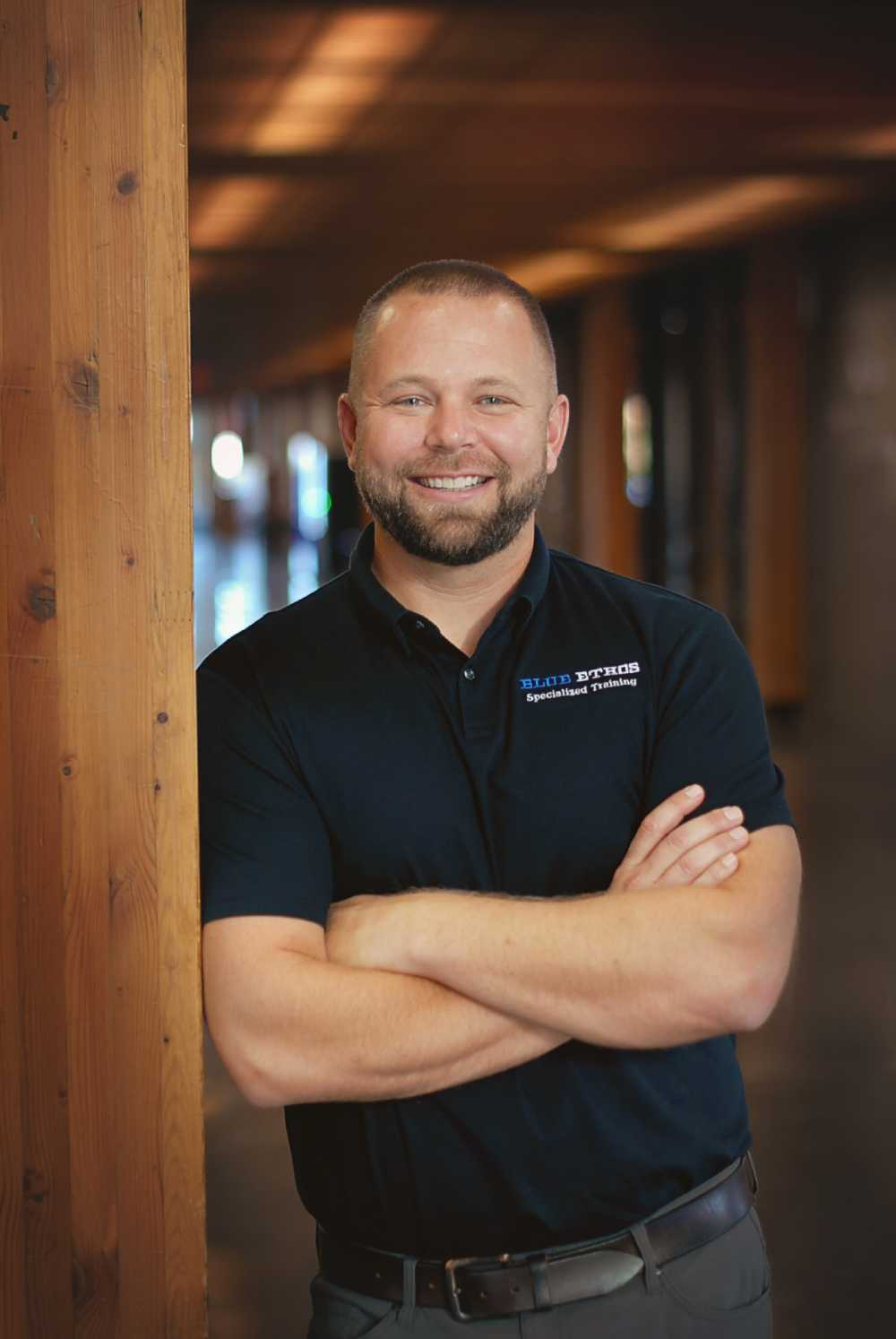
Rich Webb
Part 02 · Incident debrief
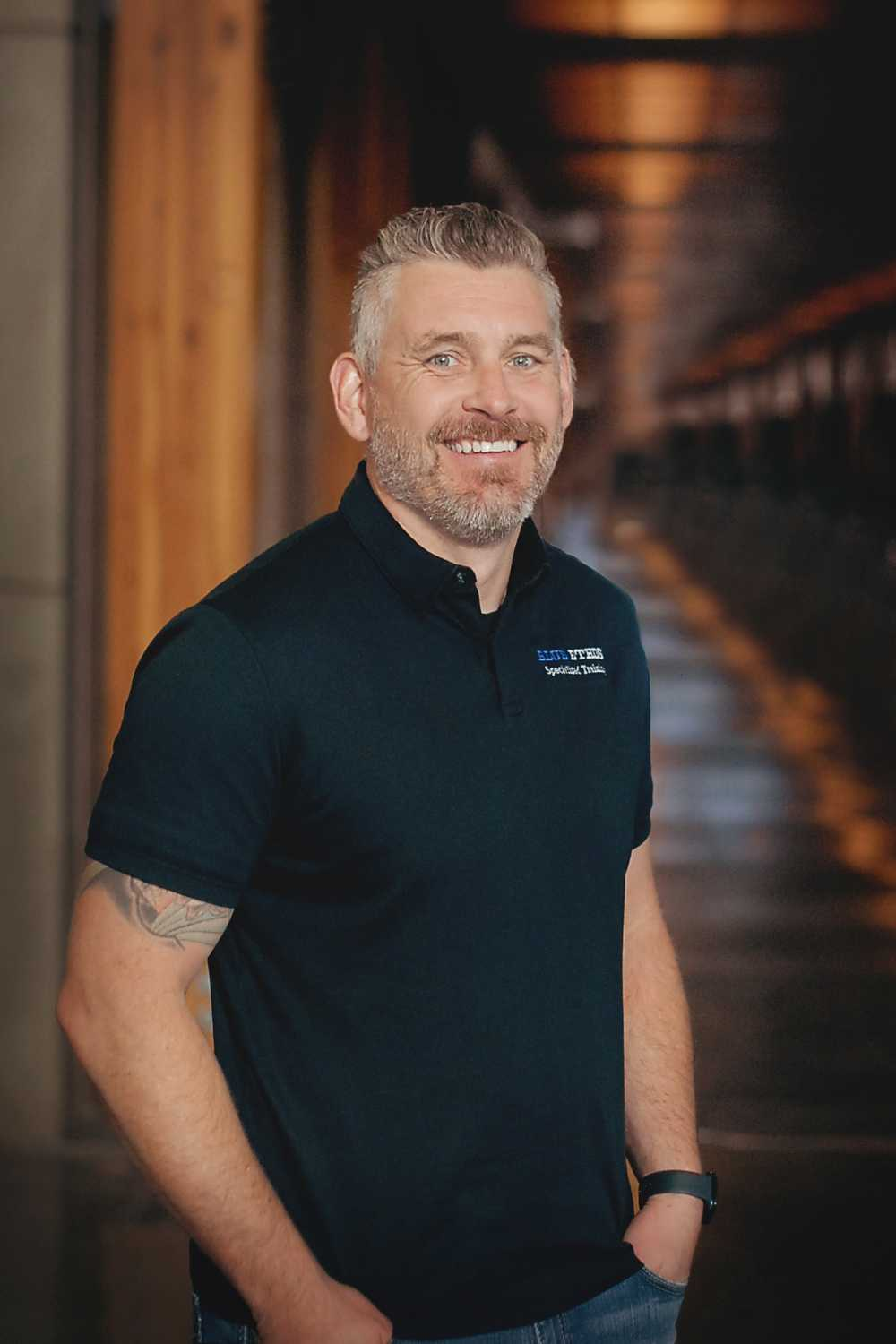
Jerad Dixon
Part 02 · Incident debrief
Your questions,
answered.
Who is this situational awareness training for?
The program is geared toward law enforcement, corrections, dispatch, emergency communications, oil and gas, electrical utilities, electrical co-ops, and other teams working in high-stress, high-consequence, time-compressed environments.
How is the course structured?
The program begins with an instructional portion led by Drew Moldenhauer. Rich Webb and Jerad Dixon then lead a situational awareness debrief of an officer-involved shooting, including lessons learned.
What is the focus of the instructional portion?
The focus is how the brain reacts under stress and what the mind and body experience during periods of vulnerability. The instruction connects those concepts with situational awareness, decision-making, critical thinking, and resilient problem-solving.
Is the debrief relevant outside law enforcement?
Yes. Although the debrief examines an officer-involved shooting, the course focuses on situational awareness, stress, decision-making, and resiliency. Tell us about your operating environment so we can discuss how the program fits your team.
Does the course address the aftermath of serious incidents?
Yes. Lessons include coping with the aftermath and building resiliency to support recovery from serious incidents.
How do we arrange training?
Share your organization, location, approximate participant count, preferred dates, and training goals. We will discuss the program, scheduling, and scope before providing a proposal.
Bring the lessons
to your team.
Start with a conversation about your people, their environment, and the decisions they face.